Description
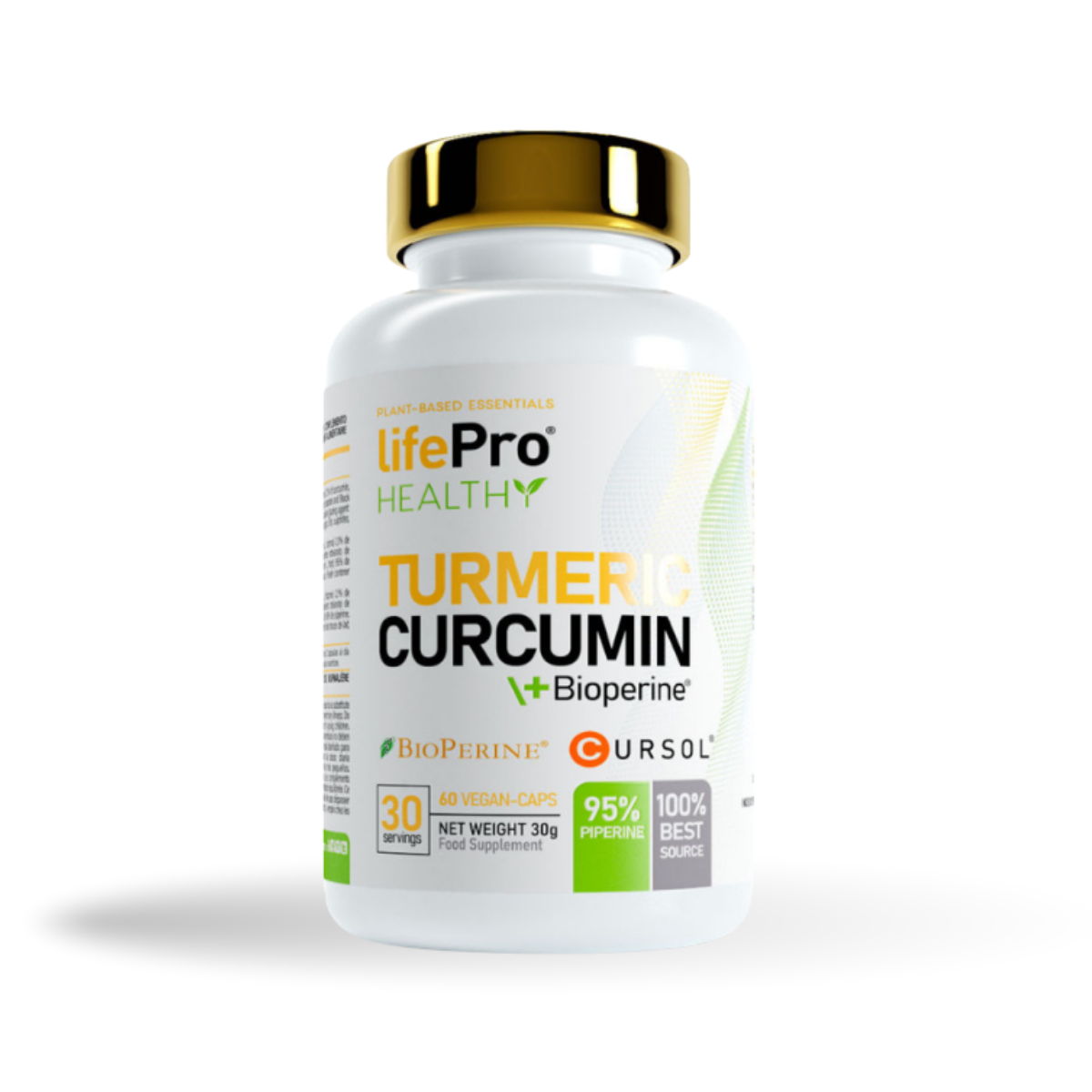
Plants used in Eastern medicine for the prevention and treatment of diseases using natural products are gaining momentum and prominence in the world of scientific research. Turmeric (Curcuma longa), a herbaceous plant (of the ginger family) native to India, is one of the most iconic symbols of traditional Eastern medicine.
In recent years, it has not only sparked great interest in the culinary world but has also gained prominence in the medical and scientific fields. The medicinal properties of turmeric, from which curcumin is extracted, have been known for thousands of years, but scientific research on it is much more recent. Curcumin is the primary natural polyphenol found in the turmeric rhizome. It is credited with numerous antioxidant, anti-inflammatory, antimicrobial, anticancer, and antimutagenic properties. Scientists are still studying other potential health benefits, such as its effects on obesity, high blood pressure, liver protection, neuroprotection, and heart disease prevention, among others.
Only logged in customers who have purchased this product may leave a review.




Reviews
There are no reviews yet.